
How to Integrate Multiple Skincare Devices into Your Routine for Maximum Results When Addressing Various Concerns

How to Integrate Multiple Skincare Devices into Your Routine for Maximum Results When Addressing Various Concerns Using tools for skincare
Imagine Sarah, a busy professional in her late 30s, looking in the mirror and seeing fine lines, occasional breakouts, and dullness. She's tried various creams, but the results are inconsistent.
- How to Integrate Multiple Skincare Devices into Your Routine for Maximum Results When Addressing Various Concerns Using tools for skincare
Imagine Sarah, a busy professional in her late 30s, looking in the mirror and seeing fine lines, occasional breakouts, and dullness. - She's tried various creams, but the results are inconsistent.
- She knows there are advanced tools for skincare available, but feels overwhelmed by how to combine them effectively without causing irritation or wasting time.
- To integrate multiple skincare devices into your routine for maximum results, you should prioritize devices based on your primary concern, introduce them one at a time, and establish a consistent schedule, ensuring each device complements the others rather than conflicting.
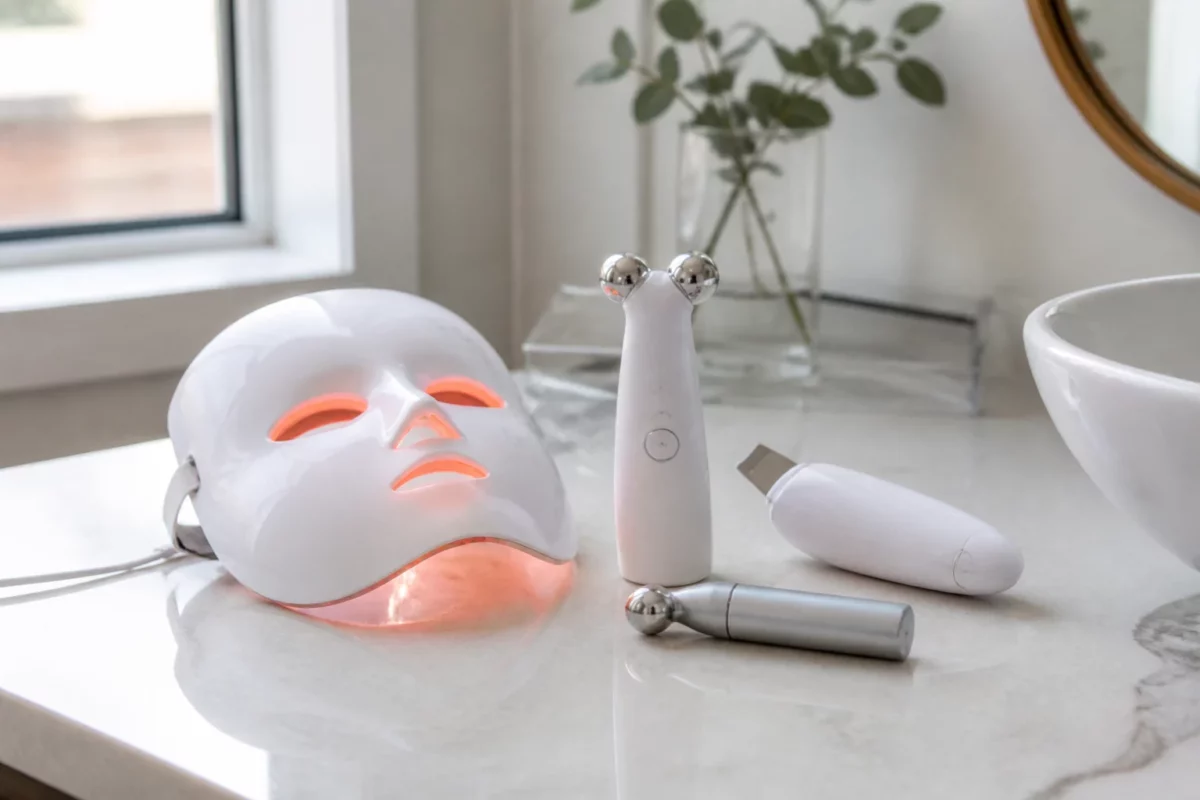
- For instance, using a microcurrent device for lifting in the morning can be followed by an LED light therapy mask in the evening to address acne or hyperpigmentation, creating a synergistic approach that targets various concerns efficiently.
How to Integrate Multiple Skincare Devices into Your Routine for Maximum Results When Addressing Various Concerns Using tools for skincare
Imagine Sarah, a busy professional in her late 30s, looking in the mirror and seeing fine lines, occasional breakouts, and dullness. She’s tried various creams, but the results are inconsistent. She knows there are advanced tools for skincare available, but feels overwhelmed by how to combine them effectively without causing irritation or wasting time. To integrate multiple skincare devices into your routine for maximum results, you should prioritize devices based on your primary concern, introduce them one at a time, and establish a consistent schedule, ensuring each device complements the others rather than conflicting. For instance, using a microcurrent device for lifting in the morning can be followed by an LED light therapy mask in the evening to address acne or hyperpigmentation, creating a synergistic approach that targets various concerns efficiently.
UNDERSTANDING DEVICE COMPATIBILITY AND SEQUENCE tools for skincare
Beyond simply introducing devices one at a time, understanding how different technologies interact is crucial for preventing adverse reactions and maximizing benefits. Some devices, like those using radiofrequency or intense pulsed light (IPL), generate heat and should generally not be used immediately before or after other heat-inducing treatments or on skin that is already compromised. Conversely, devices that enhance product absorption, such as ultrasonic spatulas or galvanic current tools, are best utilized before applying serums or moisturizers to drive active ingredients deeper into the skin.
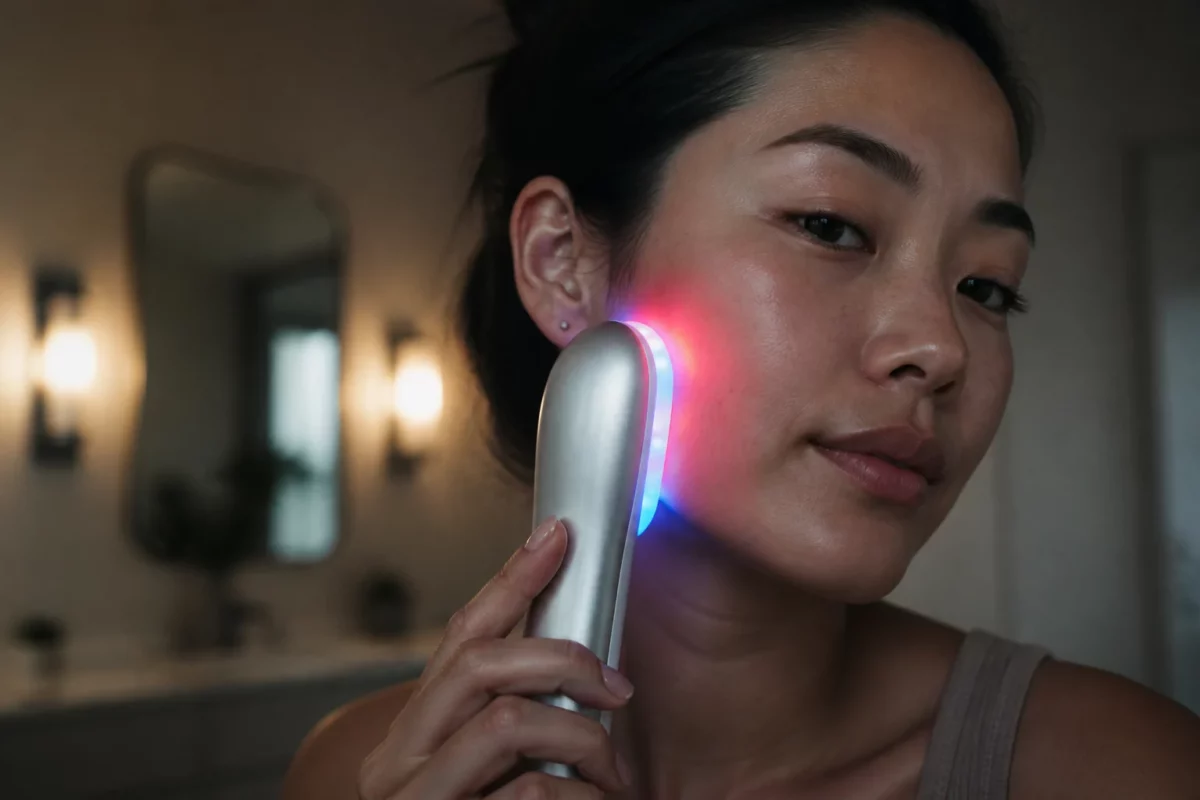
Consider the specific mechanisms of each device. For example, microcurrent devices work by stimulating facial muscles and improving circulation, making them ideal for morning use to achieve a lifted, refreshed appearance. Following this with a hydrating serum can further enhance the skin’s plumpness. In the evening, after cleansing, an LED light therapy mask can target concerns like inflammation (red light) or bacteria (blue light) without interfering with the morning’s microcurrent benefits. This thoughtful sequencing ensures each device has optimal conditions to perform its function without diminishing the effects of another.
PRIORITIZING YOUR PRIMARY SKIN CONCERN
When faced with multiple skincare goals, it’s easy to feel overwhelmed. A strategic approach involves identifying your most pressing concern and selecting a device that directly addresses it as your foundational tool. For instance, if fine lines and loss of firmness are your main worries, a microcurrent or radiofrequency device might be your initial investment. Once you’ve established a consistent routine with this primary device and observed improvements, you can then gradually introduce a secondary tool to tackle another concern, such as hyperpigmentation or occasional breakouts.
This method prevents over-treatment and allows your skin to adapt to new technologies. A typical scenario might involve someone initially focusing on anti-aging with a microcurrent device three times a week. After a month, if they also experience persistent redness, they could then incorporate a red LED light therapy device two to three times a week on alternate days or in a different part of their daily routine. This phased introduction ensures that you can accurately assess the efficacy of each device and make adjustments as needed, rather than trying to solve everything at once and potentially irritating your skin.
Another critical aspect of integrating multiple skincare devices is understanding the importance of proper skin preparation and post-treatment care. Before using any device, ensure your skin is thoroughly cleansed to remove makeup, dirt, and oils. This not only allows the device to work more effectively but also prevents potential irritation or the spread of bacteria. For instance, an ultrasonic spatula, designed to deep clean pores, should always be used on damp skin after cleansing. Following treatment, applying appropriate skincare products is equally vital. After a microcurrent session, a hydrating serum rich in hyaluronic acid or peptides can amplify the lifting and plumping effects. Similarly, after an LED light therapy session, a moisturizer can help lock in hydration and support the skin barrier. Neglecting these steps can diminish the benefits of your devices and potentially lead to suboptimal results or even skin sensitivity. A study published in the Journal of Cosmetic Dermatology in 2020 highlighted that proper skin preparation significantly enhances the efficacy of topical product absorption when combined with certain device modalities, underscoring the need for a holistic approach.
Furthermore, consistency and patience are paramount when incorporating advanced tools for skincare into your regimen. Unlike immediate gratification often promised by some treatments, device-based skincare typically requires regular, sustained use over several weeks or months to show significant improvements. For example, many microcurrent devices recommend use three to five times a week for the first 6-8 weeks to achieve initial results, followed by a maintenance schedule of two to three times a week. LED light therapy often suggests daily or every-other-day sessions for 10-20 minutes over a similar period. Skipping sessions frequently or expecting overnight transformations can lead to disappointment and a perception that the devices are ineffective. It is also crucial to monitor your skin’s response. If you notice excessive redness, dryness, or irritation, it’s a clear signal to reduce the frequency of use or temporarily pause a device. Listening to your skin and adjusting your routine accordingly is key to successful integration and long-term benefits. Over-treatment is a common pitfall, and a gradual, mindful approach yields superior outcomes.
Optimizing Your Skincare Device Synergy
Achieving optimal synergy among your skincare devices involves more than just sequential application; it requires a deep understanding of how different technologies can amplify each other’s benefits. Consider the principle of layering, not just with products, but with device actions. For example, a device that enhances circulation and muscle tone, like a microcurrent tool, can create a more receptive canvas for subsequent treatments. If used in the morning, it can prepare the skin for better absorption of antioxidants and SPF. In the evening, after a thorough cleanse, a device that targets specific cellular functions, such as an LED mask, can then work on repair and regeneration. The red light spectrum, for instance, is known to stimulate collagen production and reduce inflammation, complementing the lifting effects achieved earlier in the day. This strategic layering ensures that each device contributes uniquely to your overall skin health goals without redundancy or conflict. A common mistake is to use multiple devices that perform very similar functions, leading to over-stimulation rather than enhanced results. Instead, aim for a diverse set of tools that address different aspects of skin physiology.
Another aspect of optimizing synergy is understanding the cumulative effect of consistent use. While individual sessions provide immediate benefits, the true power of integrating multiple devices lies in their long-term impact on cellular health and skin structure. For instance, consistent use of a radiofrequency device, which works by generating heat to stimulate collagen and elastin production deep within the dermis, can gradually improve skin firmness and reduce wrinkles over several months. If this is combined with regular use of a red LED light therapy device, which also supports collagen synthesis and reduces inflammation at a more superficial level, the combined effect can be more profound than using either device alone. The radiofrequency targets the deeper structural components, while the LED light addresses surface texture and tone, creating a comprehensive anti-aging strategy. This multi-pronged approach, when sustained, can lead to visible and lasting improvements in skin quality, often surpassing what can be achieved with topical products alone. Data from clinical trials often indicates that combination therapies, including device integration, yield superior outcomes for concerns like photodamage and laxity compared to monotherapy.
Finally, consider the role of professional guidance in fine-tuning your integrated device routine. While many at-home devices are designed for user-friendliness, consulting with a dermatologist or a licensed aesthetician can provide invaluable insights into device selection, sequencing, and advanced techniques. A professional can assess your specific skin type and concerns, identify potential contraindications, and help you create a personalized regimen that maximizes the benefits of your chosen tools. They might recommend specific wavelengths of LED light for your hyperpigmentation or advise on the optimal frequency for your microcurrent device based on your muscle tone. Furthermore, they can help you differentiate between devices that offer similar benefits and guide you towards those that truly complement each other. For example, they might suggest that if you are already using a strong retinoid, a highly exfoliating device might be too aggressive, recommending a gentler alternative instead. This expert oversight ensures that your investment in advanced skincare tools translates into safe, effective, and truly transformative results, preventing common mistakes like over-exfoliation or combining incompatible technologies.
Unlocking Your Skin’s Full Potential
Embarking on a journey with multiple skincare devices can feel complex, but with a thoughtful, phased approach, it becomes a powerful way to address diverse skin concerns effectively. The key is to view your routine as an evolving system, where each device plays a specific, complementary role. Start by identifying your primary concern, introduce devices gradually, and always prioritize understanding how each technology interacts with your skin and with other tools. Remember that consistency, proper skin preparation, and post-treatment care are just as crucial as the devices themselves. By embracing this strategic mindset, you can move beyond inconsistent results and unlock a new level of skin health and radiance, tailored precisely to your unique needs.
Bottom Line: To integrate multiple skincare devices for maximum results, prioritize your main concern, introduce devices one at a time, establish a consistent schedule, and understand device compatibility to ensure each tool complements rather than conflicts with others.
Frequently Asked Questions
Can I use a microcurrent device and an LED mask on the same day?
Yes, you can use a microcurrent device and an LED mask on the same day. It is often recommended to use microcurrent in the morning for lifting and toning, and an LED mask in the evening for targeted concerns like acne or anti-aging, ensuring optimal conditions for each.
How long should I wait between introducing new skincare devices?
It is advisable to wait at least 2-4 weeks between introducing new skincare devices. This allows your skin to adapt to each new technology and helps you accurately assess its individual effects and any potential sensitivities before adding another.
What is the most important factor when combining skincare devices?
The most important factor when combining skincare devices is understanding their compatibility and mechanisms of action. Ensure devices complement each other’s benefits without causing irritation or diminishing the effects of another, especially regarding heat generation or absorption enhancement.
Should I use my devices before or after applying serums?
Devices that enhance product absorption, such as ultrasonic spatulas or galvanic current tools, are best used before applying serums to drive active ingredients deeper. Other devices, like microcurrent, can be used on clean skin before serums, while LED masks are typically used after cleansing and before or after serums, depending on the mask type.