
Microcurrent vs. Radiofrequency: Which Device Is Right for Your Anti-Aging Goals?

Microcurrent vs. Radiofrequency: Which Device Is Right for Your Anti-Aging Goals?
- Microcurrent vs.
- Radiofrequency: Which Device Is Right for Your Anti-Aging Goals?
- For those exploring at-home tools for skincare to achieve anti-aging goals, microcurrent and radiofrequency devices offer distinct benefits.
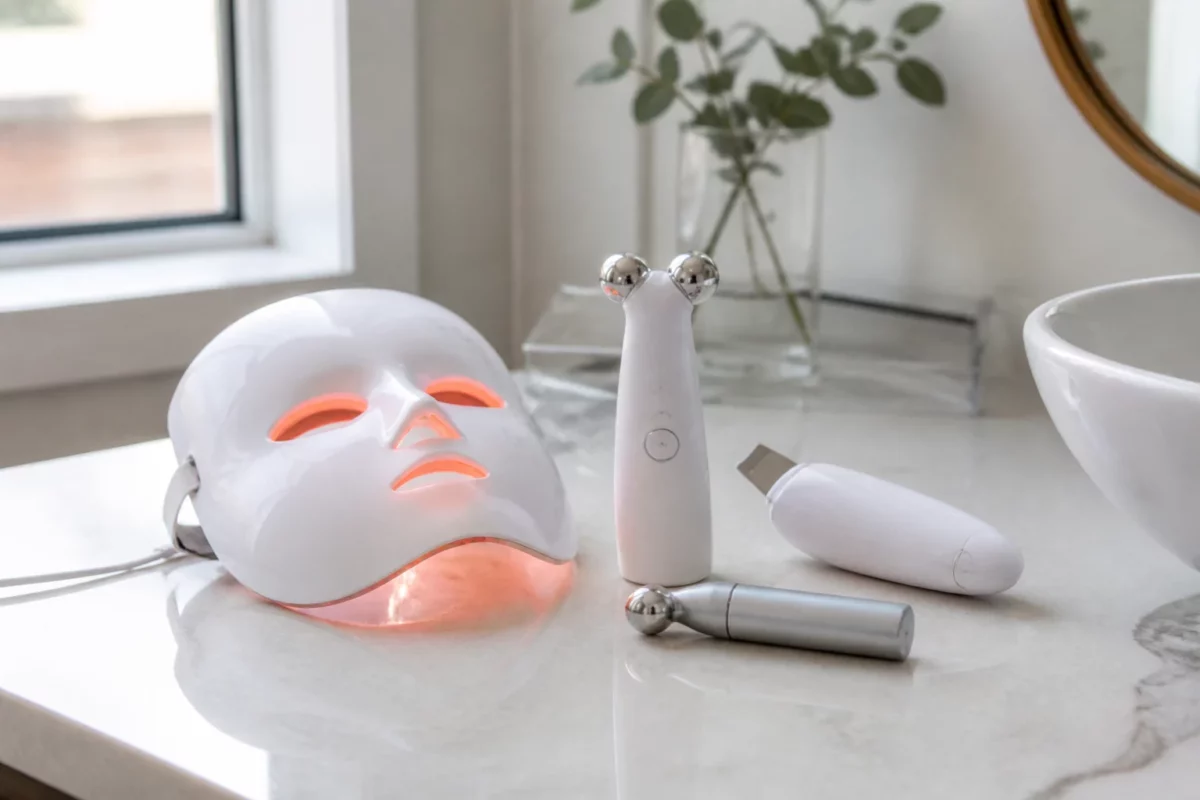
- Microcurrent technology primarily works by stimulating facial muscles to improve tone and contour, often providing a lifted appearance, much like a non-invasive facelift.
- Radiofrequency, on the other hand, uses heat to target deeper skin layers, promoting collagen and elastin production to reduce wrinkles and tighten sagging skin.
Microcurrent vs. Radiofrequency: Which Device Is Right for Your Anti-Aging Goals?
For those exploring at-home tools for skincare to achieve anti-aging goals, microcurrent and radiofrequency devices offer distinct benefits. Microcurrent technology primarily works by stimulating facial muscles to improve tone and contour, often providing a lifted appearance, much like a non-invasive facelift. Radiofrequency, on the other hand, uses heat to target deeper skin layers, promoting collagen and elastin production to reduce wrinkles and tighten sagging skin. Choosing between them depends on your primary concern: if you seek muscle toning and a sculpted look, microcurrent is often preferred; if your focus is on skin tightening and wrinkle reduction, radiofrequency may be more suitable. Many individuals, like Sarah, a 38-year-old who noticed early signs of jowls and fine lines, find that understanding these differences helps them select the right device for their specific needs, avoiding the frustration of trying multiple ineffective solutions.
Understanding Microcurrent Technology tools for skincare
Microcurrent devices operate by delivering low-level electrical currents that mimic the body’s natural electrical signals. These gentle currents stimulate the adenosine triphosphate (ATP) production within muscle cells, which is crucial for cellular energy. Increased ATP not only energizes facial muscles but also promotes protein synthesis, including collagen and elastin, albeit indirectly through improved cellular function rather than direct thermal stimulation. The primary effect, however, is on muscle re-education, helping to lift and firm the contours of the face and neck.
The application of microcurrent involves gliding probes or spheres across the skin, often with a conductive gel to ensure proper current delivery. Users typically feel a slight tingling sensation, if anything at all, making the treatment comfortable and non-invasive. For instance, someone aiming to diminish the appearance of a sagging jawline might focus the device on the masseter and zygomaticus muscles, performing specific upward strokes to encourage a more defined facial structure. Regular use, typically several times a week, is recommended to maintain the toned appearance, as the effects are cumulative and temporary.
Understanding Radiofrequency Technology
Radiofrequency (RF) technology, in contrast, utilizes electromagnetic waves to generate heat in the deeper layers of the skin, specifically the dermis. This controlled thermal energy causes existing collagen fibers to contract, leading to an immediate tightening effect. More importantly, the heat triggers the body’s natural wound healing response, stimulating fibroblasts to produce new collagen and elastin over time. This process, known as neocollagenesis, is key to long-term skin remodeling, resulting in reduced fine lines, wrinkles, and improved skin elasticity.
RF devices typically feature a treatment head that is moved across the skin, often with a conductive gel to facilitate heat transfer and ensure comfort. The sensation is usually described as a warm massage, with some devices incorporating temperature sensors to prevent overheating. A common application for RF is addressing crow’s feet around the eyes or laxity in the neck area. Consistent treatments, often once or twice a week for several weeks, are necessary to initiate and sustain the collagen production cycle, with results becoming more apparent over a few months as new collagen develops and matures.
Combining Microcurrent and Radiofrequency for Enhanced Results
While microcurrent and radiofrequency devices target different aspects of anti-aging, they are not mutually exclusive and can often complement each other when incorporated into a comprehensive skincare regimen. Microcurrent focuses on the muscular structure and superficial lifting, while radiofrequency addresses skin laxity and texture from within. Using both technologies can provide a more holistic approach to facial rejuvenation, tackling both muscle tone and skin quality.
For optimal results, it’s generally advised to use these devices at different times or on different days. For example, one might use a radiofrequency device in the evening to stimulate collagen production, and a microcurrent device in the morning to achieve an immediate lifted and sculpted look for the day. This staggered approach allows each technology to exert its specific benefits without interference, maximizing the overall anti-aging impact. A typical user, like someone in their late 40s concerned with both facial sagging and deeper wrinkles, might find this dual approach yields more satisfying and comprehensive improvements than relying on a single technology alone.
This synergistic approach can be particularly beneficial for individuals seeking comprehensive facial rejuvenation without resorting to invasive procedures. For instance, a person might use RF to address deeper wrinkles on the forehead and around the mouth, aiming for long-term collagen remodeling, while simultaneously employing microcurrent to lift and define the cheekbones and jawline, providing an immediate visual enhancement. The key is consistency and understanding the distinct mechanisms of each technology to maximize their combined potential, leading to a more youthful and revitalized appearance that addresses multiple signs of aging.
Maximizing Your Anti-Aging Efforts with At-Home
To truly unlock the full potential of at-home anti-aging devices, integrating them into a consistent and well-rounded skincare routine is paramount. Beyond the devices themselves, factors such as proper skin preparation, the use of complementary topical products, and adherence to recommended treatment frequencies significantly influence outcomes. For example, applying a high-quality hyaluronic acid serum before microcurrent treatments can enhance conductivity and hydration, while a peptide-rich cream after RF sessions can support the skin’s collagen-building process. Many users, like Michael, a 52-year-old who started with a single device and later added another, report that a holistic approach, including a balanced diet and adequate hydration, amplifies the visible benefits of these technologies. The cumulative effect of consistent care, both internal and external, contributes to more sustained and noticeable improvements in skin texture, tone, and overall youthful appearance.
Choosing the right device also involves considering your lifestyle and commitment level. While both microcurrent and radiofrequency offer professional-grade results at home, they require dedication. A typical RF treatment session might last 10-20 minutes, performed 1-2 times a week, whereas microcurrent sessions often range from 5-15 minutes, recommended 3-5 times a week initially. Understanding these time commitments helps set realistic expectations and ensures you select a device that fits seamlessly into your schedule, preventing abandonment due to inconvenience. For instance, a busy professional might prefer an RF device for its less frequent application, while someone with more flexible time might embrace the daily ritual of microcurrent for its immediate sculpting effects. The investment in these tools for skincare extends beyond the initial purchase; it includes the time and effort dedicated to consistent use, which ultimately dictates the success of your anti-aging journey.
Furthermore, understanding the nuances of device features and safety protocols is crucial for effective and safe use. Many modern at-home RF devices incorporate smart temperature control to prevent burns, while microcurrent devices often have adjustable intensity levels to suit individual comfort and skin sensitivity. Always read the manufacturer’s instructions thoroughly and perform patch tests if recommended. For example, some RF devices specify not to be used over active acne or rosacea, while microcurrent devices may have contraindications for individuals with pacemakers or epilepsy. Adhering to these guidelines ensures not only the efficacy of the treatment but also the safety of your skin. Consulting with a dermatologist or skincare professional can also provide personalized advice, especially if you have underlying skin conditions or are unsure about combining different technologies, ensuring your anti-aging efforts are both effective and safe.
Your Path to Rejuvenated Radiance
Embarking on your anti-aging journey with at-home devices can be a transformative experience. The key is to approach it with knowledge and consistency. Start by identifying your primary skin concerns: is it muscle tone and facial contour, or deeper wrinkles and skin laxity? This initial assessment will guide your choice between microcurrent and radiofrequency, or inform a decision to integrate both. Remember that results are cumulative and require patience, typically becoming noticeable over several weeks to a few months. Just as a consistent fitness routine builds muscle, regular use of these devices builds and maintains skin health and youthful appearance. Consider documenting your progress with photos to objectively track the subtle yet significant changes over time, reinforcing your commitment to your skincare goals.
Bottom Line: Microcurrent devices excel at muscle toning and facial sculpting for a lifted appearance, while radiofrequency devices target deeper skin layers to stimulate collagen for wrinkle reduction and skin tightening; the best choice depends on your primary anti-aging goal, with combined use offering comprehensive benefits.
Frequently Asked Questions
Can microcurrent and radiofrequency devices be used on the same day?
While generally safe, it’s often recommended to use microcurrent and radiofrequency devices on separate days or at different times of the day. This allows each technology to exert its specific effects without potential interference, maximizing their individual benefits for muscle toning and collagen stimulation.
How long does it take to see results from these devices?
Results vary by individual and device, but typically, users may notice initial improvements within a few weeks of consistent use. More significant and lasting changes, especially regarding collagen production from radiofrequency, usually become apparent after two to three months of regular treatment.
Are there any side effects or contraindications for these devices?
Both microcurrent and radiofrequency devices are generally safe for at-home use. Potential side effects are usually mild, such as temporary redness or tingling. Contraindications often include pregnancy, pacemakers, epilepsy, or certain skin conditions. Always consult the device’s manual and a professional if unsure.