
What to Know Before Using an Epilator for Hair Removal on Sensitive Areas

What to Know Before Using an Epilator for Hair Removal on Sensitive Areas: Essential tools for skincare
Navigating hair removal on sensitive areas can be tricky, and while epilators offer a long-lasting solution, they require careful consideration and preparation to minimize discomfort and irritation. For areas like the underarms, bikini line, or face, using an epilator involves a learning curve and specific techniques to ensure a smooth experience.
- What to Know Before Using an Epilator for Hair Removal on Sensitive Areas: Essential tools for skincare
Navigating hair removal on sensitive areas can be tricky, and while epilators offer a long-lasting solution, they require careful consideration and preparation to minimize discomfort and irritation. - For areas like the underarms, bikini line, or face, using an epilator involves a learning curve and specific techniques to ensure a smooth experience.
- The key is to start with clean, exfoliated skin, use the epilator at the correct angle, and follow up with soothing aftercare.
- Many find that consistent use reduces pain over time as hair becomes finer.
- However, it's crucial to understand the potential for ingrown hairs and redness, especially during initial uses, making proper skin preparation and aftercare essential tools for skincare in your routine.
What to Know Before Using an Epilator for Hair Removal on Sensitive Areas: Essential tools for skincare
Navigating hair removal on sensitive areas can be tricky, and while epilators offer a long-lasting solution, they require careful consideration and preparation to minimize discomfort and irritation. For areas like the underarms, bikini line, or face, using an epilator involves a learning curve and specific techniques to ensure a smooth experience. The key is to start with clean, exfoliated skin, use the epilator at the correct angle, and follow up with soothing aftercare. Many find that consistent use reduces pain over time as hair becomes finer. However, it’s crucial to understand the potential for ingrown hairs and redness, especially during initial uses, making proper skin preparation and aftercare essential tools for skincare in your routine.
Key Insights
- Preparation is Paramount: Always exfoliate and clean your skin thoroughly before epilating to prevent ingrown hairs and ensure better grip on the hair.
- Start Slow and Steady: Begin with a low setting and use the epilator at a 90-degree angle against the direction of hair growth, stretching the skin taut.
- Manage Discomfort: Epilating after a warm shower can help open pores, and some models offer wet epilation for reduced pain.
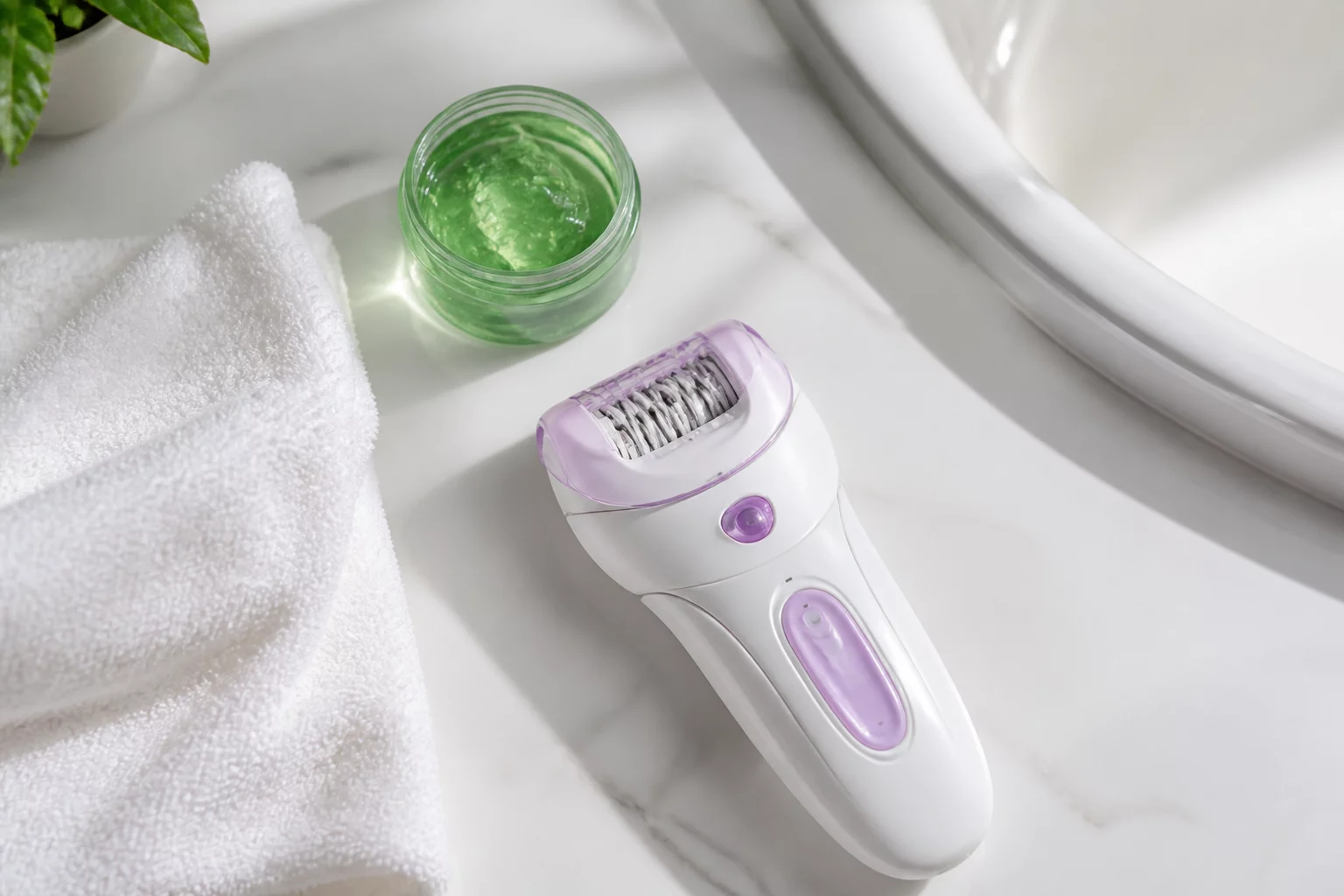
- Prioritize Aftercare: Apply a soothing, alcohol-free lotion or aloe vera gel immediately after epilation to calm the skin and prevent irritation.
- Consistency Reduces Pain: Regular epilation can lead to finer, sparser hair, making subsequent sessions less painful over time.
Choosing the Right Epilator for Sensitive Skin
Selecting an appropriate epilator is a critical step, especially when targeting delicate areas. Not all devices are created equal, and features can significantly impact your comfort and the effectiveness of hair removal. Look for models specifically designed for sensitive skin, which often incorporate features like hypoallergenic tweezers, speed settings, and ergonomic designs that allow for precise control. For instance, some epilators come with various caps or attachments tailored for different body parts, such as a smaller head for facial hair or a precision cap for the bikini line, ensuring you only target the desired hairs without irritating surrounding skin.
Consider epilators that offer wet and dry functionality. Wet epilation, performed in the shower or bath, can be considerably less painful as the warm water helps to relax the skin and open pores, making hair removal smoother. This feature is particularly beneficial for first-time users or those with a lower pain threshold. Additionally, models with built-in massage rollers or cooling elements can further mitigate discomfort during the process. These features work by stimulating the skin or providing a soothing sensation, distracting from the plucking action of the tweezers. A good example is an epilator with a pivoting head, which can adapt to the contours of your body, ensuring consistent contact with the skin and efficient hair removal even in tricky spots like the knees or underarms.
Techniques for Minimizing Pain and Irritation
Beyond preparation and choosing the right device, mastering specific epilation techniques can dramatically reduce discomfort and prevent common issues like redness or bumps. One fundamental technique is to always hold the skin taut with your free hand. This action straightens the hair follicles, allowing the epilator to grasp hairs more effectively and reducing the likelihood of pinching the skin. For areas like the underarms, raising your arm high can help stretch the skin, while for the bikini line, gently pulling the skin outwards can achieve the same effect. This simple step can make a significant difference in your experience.
Another crucial technique involves the speed and direction of movement. While it might seem counterintuitive, moving the epilator slowly and steadily is often more effective and less painful than rushing. Rapid movements can break hairs rather than pulling them from the root, leading to quicker regrowth and potential ingrown hairs. Always move the epilator against the direction of hair growth, maintaining a 90-degree angle to the skin. This ensures the tweezers can properly grip the hair at its base. For example, when epilating the lower leg, you would move the device upwards from ankle to knee. For the upper lip, you might move it downwards from the nose. Experiment with different angles in small sections to find what works best for your hair growth pattern and comfort level.
Post-Epilation Care for Lasting Comfort
The steps you take immediately after epilation are just as important as the preparation. Proper aftercare is essential for calming the skin, preventing irritation, and promoting healthy regrowth. Start by gently rinsing the epilated area with cool water to close pores and remove any stray hairs or residue. Avoid hot water, as it can further irritate freshly epilated skin. Pat the skin dry with a clean, soft towel rather than rubbing, which can cause friction and redness.
Following this, apply a soothing, non-comedogenic product. Look for lotions or gels that are specifically formulated for post-hair removal, often containing ingredients like aloe vera, chamomile, or witch hazel, known for their anti-inflammatory and calming properties. Products free from alcohol, fragrances, and harsh chemicals are ideal, as these can exacerbate irritation on sensitive skin. For instance, a pure aloe vera gel can provide immediate relief from any stinging or redness. Continue to moisturize the area daily to keep the skin hydrated and supple, which helps prevent ingrown hairs as new hair grows back. Regular, gentle exfoliation a few days after epilation can also aid in preventing ingrown hairs by removing dead skin cells that might trap new growth.
Regular, gentle exfoliation a few days after epilation can also aid in preventing ingrown hairs by removing dead skin cells that might trap new growth. For instance, using a mild exfoliating scrub or a loofah in the shower two to three times a week can significantly reduce the occurrence of ingrown hairs. However, avoid harsh scrubs or chemical exfoliants immediately before or after epilation, as this can over-sensitize the skin. The goal is to maintain smooth skin and clear follicles, allowing new hairs to grow outwards without obstruction. Consistent aftercare not only minimizes immediate discomfort but also contributes to healthier skin in the long run, making subsequent epilation sessions even easier and more effective. Many users report a noticeable reduction in ingrown hairs and skin irritation within a few weeks of adopting a consistent post-epilation routine, with some studies suggesting up to a 40% decrease in ingrown hair incidence with proper exfoliation and moisturizing.
Embracing Smoothness: Your Next Steps for Confident Hair Removal
Embarking on your epilation journey for sensitive areas can transform your hair removal routine, offering weeks of smooth skin without the daily hassle of shaving. The key to success lies in a holistic approach that combines meticulous preparation, the right tools for skincare, careful technique, and diligent aftercare. Remember that your skin will adapt over time, and initial discomfort often diminishes with consistent use. By integrating these practices, you’re not just removing hair; you’re investing in the long-term health and appearance of your skin. Consider starting with a small, less sensitive area to gauge your skin’s reaction and build confidence before moving to more delicate zones. This gradual approach allows you to refine your technique and discover what works best for your unique skin type and hair growth patterns, ensuring a more comfortable and effective experience.
Bottom Line: Successful epilation on sensitive areas hinges on thorough skin preparation, selecting an appropriate device, employing correct techniques, and consistent aftercare to minimize discomfort and prevent irritation.
Frequently Asked Questions
How often should I epilate sensitive areas?
Most people find epilating sensitive areas every 2-4 weeks is sufficient, depending on their hair growth cycle. Consistent use can lead to finer, sparser hair, potentially extending the time between sessions. Observe your hair regrowth to determine the ideal frequency for your needs.
Can epilation cause permanent hair reduction?
While epilation removes hair from the root, it does not cause permanent hair reduction like laser removal. However, consistent epilation can weaken hair follicles over time, leading to finer, softer, and less dense hair regrowth, making future sessions less painful and more efficient.
What should I do if I get ingrown hairs after epilating?
If you develop ingrown hairs, gently exfoliate the area a few days after epilation to help release trapped hairs. Apply a warm compress to soften the skin and avoid picking or squeezing, which can worsen irritation or lead to infection. Use an ingrown hair serum if needed.