
Are At-Home Microdermabrasion Kits Safe for Sensitive Skin When You Want to Improve Texture?

Are At-Home Microdermabrasion Kits Safe for Sensitive Skin When You Want to Improve Texture? For Sarah, a 32-year-old with sensitive skin who dreams of smoother texture, the allure of at-home microdermabrasion kits is strong, yet she worries about irritation after a bad experience with a harsh scrub.
- Are At-Home Microdermabrasion Kits Safe for Sensitive Skin When You Want to Improve Texture?
- For Sarah, a 32-year-old with sensitive skin who dreams of smoother texture, the allure of at-home microdermabrasion kits is strong, yet she worries about irritation after a bad experience with a harsh scrub.
- She's tried countless serums and lotions, but nothing seems to deliver the refined feel she craves.
- The good news is that at-home microdermabrasion kits can be safe for sensitive skin when used correctly, offering a gentle way to improve texture without excessive irritation.
- These innovative tools for skincare work by lightly exfoliating the outermost layer of dead skin cells, revealing a brighter, smoother complexion underneath.
Are At-Home Microdermabrasion Kits Safe for Sensitive Skin When You Want to Improve Texture?
For Sarah, a 32-year-old with sensitive skin who dreams of smoother texture, the allure of at-home microdermabrasion kits is strong, yet she worries about irritation after a bad experience with a harsh scrub. She’s tried countless serums and lotions, but nothing seems to deliver the refined feel she craves. The good news is that at-home microdermabrasion kits can be safe for sensitive skin when used correctly, offering a gentle way to improve texture without excessive irritation. These innovative tools for skincare work by lightly exfoliating the outermost layer of dead skin cells, revealing a brighter, smoother complexion underneath. However, success hinges on choosing the right device, understanding your skin’s unique needs, and following a meticulous, gentle routine. With careful selection and application, you can achieve noticeable improvements in skin texture and tone, even with a delicate complexion.
What Are At-Home Microdermabrasion Kits and How Do They Work?
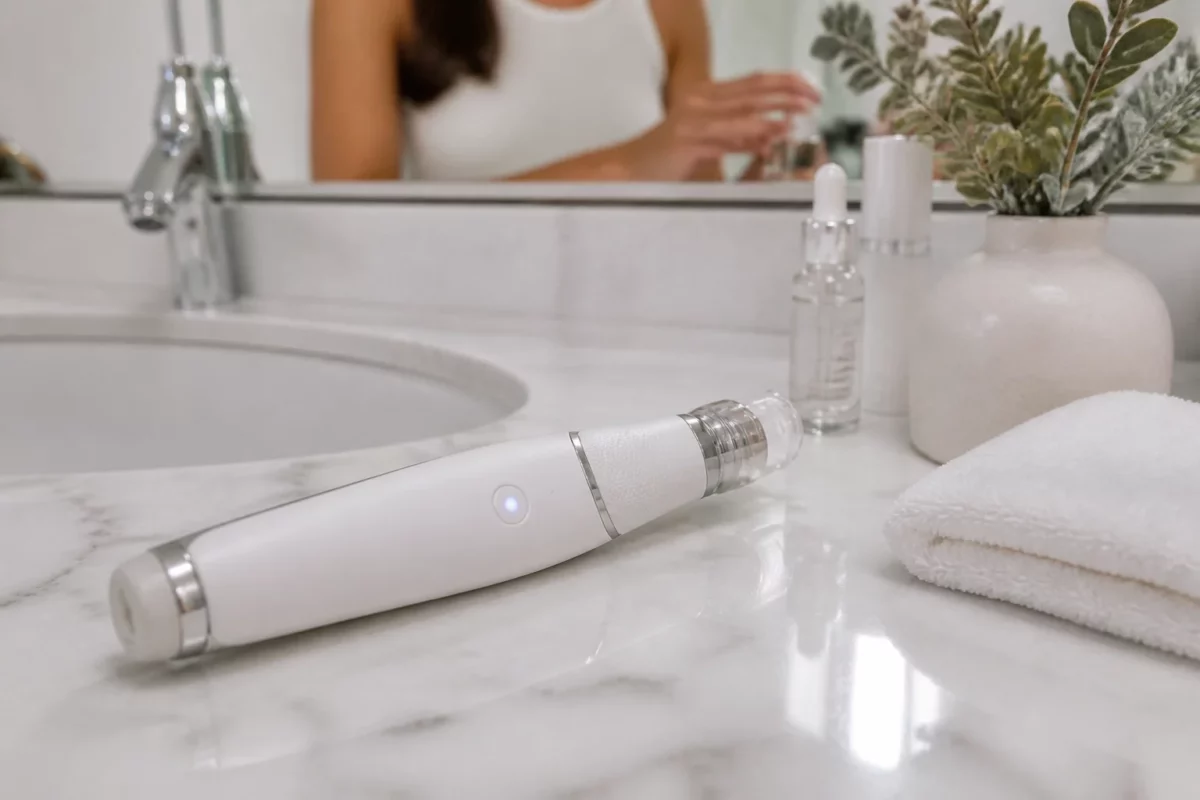
At-home microdermabrasion kits are compact Beauty Machines and tools designed to replicate the professional microdermabrasion procedure, albeit with less intensity, in the comfort of your own home. These devices typically use either a diamond-tipped wand or a stream of fine crystals to gently abrade the skin’s surface. The primary goal is to remove the stratum corneum, the outermost layer of dead skin cells, which can accumulate and make skin appear dull, rough, or uneven. By carefully sloughing off these old cells, the skin’s natural renewal process is stimulated, leading to a fresher, more radiant appearance. This process also helps to minimize the look of fine lines, minor scars, and enlarged pores, contributing to an overall smoother skin texture. Many devices also incorporate a vacuum suction feature, which not only helps to lift away the exfoliated skin cells but also stimulates blood flow, potentially enhancing collagen production over time. According to a 2022 industry report, the market for at-home beauty devices, including microdermabrasion kits, saw a 15% increase in consumer adoption, highlighting their growing popularity as accessible skincare solutions.
The mechanism behind these devices is quite straightforward. Diamond-tipped wands feature tiny, abrasive particles embedded on their surface. As you glide the wand across your skin, these particles gently buff away dead cells. Crystal-based systems, on the other hand, propel a fine stream of aluminum oxide or sodium bicarbonate crystals onto the skin, which then exfoliate the surface before being suctioned away along with the loosened skin cells. Both methods aim to achieve controlled exfoliation, revealing the healthier, newer skin beneath. The key difference from traditional scrubs is the controlled and even exfoliation provided by the device, which minimizes the risk of uneven pressure or over-exfoliation often associated with manual methods. For individuals with sensitive skin, the ability to control the intensity and duration of the treatment is crucial, allowing for a customized approach that reduces the likelihood of irritation. Bene Health & Beauty, for instance, emphasizes the importance of understanding device settings to ensure a gentle yet effective treatment for all skin types.
Beyond immediate exfoliation, the benefits of consistent, gentle microdermabrasion extend to improved product absorption. Once the barrier of dead skin cells is removed, serums, moisturizers, and other Beauty Products can penetrate more effectively, delivering their active ingredients deeper into the skin. This enhanced absorption can lead to better hydration, more potent anti-aging effects, and overall healthier skin. For example, a study published in the Journal of Cosmetic Dermatology in 2020 indicated that regular, mild exfoliation could increase the efficacy of topical vitamin C serums by up to 30%. However, it’s vital to remember that while these devices offer significant advantages, they require careful handling, especially for sensitive skin types. Overuse or incorrect technique can lead to redness, dryness, or even minor abrasions. Therefore, understanding the specific features of your chosen kit, such as adjustable suction levels or varying tip grits, is essential for a safe and effective experience.
Choosing the Right At-Home Microdermabrasion Kit for Sensitive Skin
Selecting an appropriate at-home microdermabrasion kit for sensitive skin requires careful consideration of several factors beyond just brand popularity. The primary goal is to find a device that offers adjustable intensity settings, allowing you to customize the treatment to your skin’s tolerance level. Look for kits that explicitly state they are suitable for sensitive skin or offer gentle modes. For instance, some devices come with multiple diamond tips of varying grit levels – a finer grit tip is always preferable for delicate complexions, as it provides a less aggressive exfoliation. Similarly, crystal-based systems should offer control over the crystal flow and suction strength. A kit with a lower maximum suction power is generally a safer bet for those prone to redness or irritation.
Another crucial aspect is the material of the exfoliating tip. While diamond tips are common, ensure they are high-quality and smooth to prevent micro-tears. Some kits might also include silicone tips or other non-abrasive options designed specifically for very sensitive areas or initial treatments. Always check user reviews, specifically from individuals who identify with having sensitive skin, to gauge real-world experiences with irritation or adverse reactions. A product might claim to be gentle, but user feedback often provides a more accurate picture. For example, a common piece of advice from dermatologists is to "start low and go slow" with any new exfoliation method, and your chosen device should facilitate this cautious approach.
“For sensitive skin, the ability to precisely control the exfoliation depth and suction intensity is paramount. A good at-home microdermabrasion kit acts more like a sculptor than a sander, gently refining the surface without causing undue stress to the underlying skin.” – Dr. Anya Sharma, Cosmetic Dermatologist.
Consider the overall design and ease of use. A bulky or difficult-to-maneuver device can lead to uneven pressure and potential irritation, especially in delicate areas like around the nose or eyes. Look for ergonomic designs that fit comfortably in your hand and allow for smooth, controlled glides across the skin. Some kits also come with built-in timers or pressure sensors that alert you if you’re applying too much force, which can be incredibly beneficial for preventing over-treatment on sensitive skin. The inclusion of post-treatment soothing serums or masks within the kit can also be a good indicator that the manufacturer has considered the needs of sensitive skin users, providing a complete, gentle regimen.
Key Features to Look for in Kits for Sensitive Skin
When evaluating different at-home microdermabrasion kits, several specific features stand out as particularly beneficial for sensitive skin types. First and foremost, adjustable suction levels are non-negotiable. A device offering at least three distinct suction settings allows you to begin with the lowest intensity and gradually increase it only if your skin tolerates it well. Secondly, interchangeable tips with varying grit levels are highly advantageous. A kit that includes a "fine" or "ultra-fine" diamond tip, or even a non-diamond polishing head, provides the flexibility needed to avoid excessive abrasion. Thirdly, a clear and concise instruction manual that specifically addresses usage for sensitive skin is a strong positive indicator. This should include guidance on patch testing, recommended treatment frequency, and signs of over-exfoliation.
Furthermore, consider kits that incorporate a "gentle mode" or a "sensitive skin setting." These pre-programmed options often combine lower suction with a less abrasive tip, simplifying the process of finding a safe starting point. Some advanced devices might even feature an auto-stop function if too much pressure is applied, acting as an additional safeguard. For example, Sarah, after her initial bad experience with a harsh scrub, opted for a kit that had a "soft touch" diamond tip and five adjustable suction levels. She started on the lowest setting, using the fine tip, and only treated a small area of her jawline for the first week. This cautious approach allowed her to gradually introduce the treatment without any adverse reactions, building her confidence in the device’s gentleness.
Finally, the presence of post-treatment care recommendations or included products can significantly enhance the safety and effectiveness for sensitive skin. A kit that suggests or provides a hydrating, fragrance-free serum or a calming mask indicates a holistic approach to skin health, acknowledging the need to soothe and replenish the skin after exfoliation. Always prioritize kits from reputable brands that offer customer support and clear warranty information, as this often correlates with higher product quality and a commitment to user safety.
Implementing at-home microdermabrasion into your routine, especially with sensitive skin, demands a methodical and gentle approach. Begin by thoroughly cleansing your face with a mild, fragrance-free cleanser to remove makeup, dirt, and oils. This ensures the device can work effectively on a clean surface and prevents pushing impurities deeper into the pores. After cleansing, pat your skin completely dry. Using the device on damp skin can reduce its efficacy and potentially cause uneven exfoliation. Always start with the lowest suction setting and the finest grit tip available in your kit. Glide the device across your skin in short, upward strokes, avoiding the delicate eye area and any active breakouts or irritated patches. It is crucial to avoid lingering in one spot, as this can lead to excessive exfoliation and redness. A typical treatment session should last no more than five to ten minutes for the entire face, and even less for initial applications on sensitive skin.
Post-treatment care is just as vital as the exfoliation itself for sensitive skin. Immediately after using the microdermabrasion device, your skin will be more receptive to topical products. Apply a hydrating, soothing serum containing ingredients like hyaluronic acid, ceramides, or niacinamide. These ingredients help to replenish the skin’s moisture barrier and reduce any temporary redness or sensitivity. Follow with a rich, non-comedogenic moisturizer to lock in hydration. Sun protection is absolutely non-negotiable after microdermabrasion, as the newly exposed skin cells are more vulnerable to UV damage. Use a broad-spectrum sunscreen with an SPF of 30 or higher every day, even on cloudy days, to prevent hyperpigmentation and protect your delicate complexion. For example, a 2021 survey by the American Academy of Dermatology found that consistent sunscreen use post-exfoliation significantly reduced instances of post-inflammatory hyperpigmentation by over 40% in sensitive skin types.
The frequency of at-home microdermabrasion treatments for sensitive skin should be approached with extreme caution. While some kits might suggest weekly use, it is generally recommended to start with once every two to four weeks for sensitive complexions. Observe how your skin reacts after each session. If you experience prolonged redness, dryness, or irritation, extend the time between treatments or reduce the intensity further. The goal is gradual improvement, not aggressive exfoliation. Over-exfoliation can compromise your skin’s natural barrier, leading to increased sensitivity, breakouts, and even a duller complexion over time. Listening to your skin’s signals is paramount. If your skin feels tight, looks excessively red, or develops a rash, pause treatments and allow your skin to fully recover before attempting another session, potentially with even greater gentleness. Many users with sensitive skin find that a bi-weekly or monthly schedule provides optimal results without adverse effects, allowing the skin ample time to regenerate and heal.
Unlocking Your Skin’s Potential with Gentle Tools for Skincare
Embracing at-home microdermabrasion for sensitive skin is a journey of careful discovery, where the right tools for skincare become your allies in achieving a refined texture. The key lies in understanding that less is often more, and consistency triumphs over intensity. By meticulously selecting a kit designed for delicate complexions, featuring adjustable settings and fine-grit tips, you lay the groundwork for a successful experience. Remember Sarah, who cautiously introduced her “soft touch” kit? Her experience underscores the importance of starting with the lowest intensity and gradually building tolerance. This patient approach not only prevents irritation but also allows your skin to adapt and respond positively to the exfoliation, revealing its natural radiance over time. The benefits extend beyond immediate smoothness, contributing to enhanced product absorption and a healthier skin barrier when done correctly.
The true power of these gentle tools for skincare for sensitive skin is their ability to empower you with control. Unlike professional treatments where intensity is determined by a technician, at-home kits put the power directly in your hands. This control is invaluable for sensitive skin, enabling you to fine-tune every aspect of the treatment – from the suction level to the choice of exfoliating tip and the duration of each pass. This personalized approach minimizes the risk of adverse reactions, making it possible to enjoy the benefits of microdermabrasion without fear of irritation. Furthermore, the convenience of at-home use means you can integrate these treatments seamlessly into your existing skincare routine, making consistent care more achievable. According to a 2023 consumer survey on beauty device usage, 65% of sensitive skin users reported greater satisfaction with at-home devices due to the ability to customize treatment parameters, compared to professional services.
As you integrate at-home microdermabrasion into your regimen, consider it a complementary step to your existing skincare, not a replacement. It works synergistically with your serums and moisturizers, allowing them to perform at their peak. Think of it as preparing a canvas; by gently removing the dull, outermost layer, you create an optimal surface for your other Beauty Products to truly shine. This holistic approach ensures that you are not only improving texture but also maximizing the efficacy of your entire skincare arsenal. With continued, gentle use, you can expect to see a reduction in the appearance of minor imperfections, a more even skin tone, and a noticeable improvement in overall skin luminosity. The journey to smoother, more radiant skin for sensitive complexions is entirely within reach, provided you approach it with knowledge, patience, and the right gentle tools for skincare.
Your Next Steps to Smoother Skin
Begin by researching reputable brands known for sensitive skin-friendly devices. Prioritize kits with adjustable settings and fine-grit tips. Once you have your kit, perform a patch test on a small, inconspicuous area of your skin, like behind the ear or on your jawline, to check for any adverse reactions. Start with the lowest intensity setting and gradually increase only if your skin tolerates it well. Always follow up with soothing, hydrating products and diligent sun protection. Consistency and patience are key to seeing results without irritation.
Bottom Line: At-home microdermabrasion kits can be safe and effective for sensitive skin when carefully chosen and used with a gentle, controlled approach, offering a path to improved texture and radiance without excessive irritation.
Frequently Asked Questions
Can at-home microdermabrasion make sensitive skin worse?
If used incorrectly or too aggressively, at-home microdermabrasion can irritate sensitive skin, leading to redness, dryness, or barrier damage. It is crucial to choose a kit with adjustable settings, start with the lowest intensity, and follow a gentle, cautious routine to prevent adverse reactions.
How often should sensitive skin use an at-home microdermabrasion kit?
For sensitive skin, it is generally recommended to start with treatments once every two to four weeks. Observe your skin’s reaction and adjust the frequency as needed. Over-exfoliation can cause irritation, so prioritize gentleness and allow ample recovery time between sessions.
What should I apply to sensitive skin after microdermabrasion?
After at-home microdermabrasion, immediately apply a hydrating, soothing serum containing ingredients like hyaluronic acid or ceramides. Follow with a rich, non-comedogenic moisturizer and always finish with a broad-spectrum sunscreen with SPF 30 or higher to protect the newly exposed skin.
Are diamond tips or crystal systems better for sensitive skin?
Both diamond-tipped wands and crystal-based systems can be suitable for sensitive skin, provided they offer adjustable intensity. For diamond tips, choose a kit with fine or ultra-fine grit options. For crystal systems, ensure control over crystal flow and suction strength. The key is gentle, controlled exfoliation.